
Flood Recovery Check for Water Tanks, Pumps and Plumbing
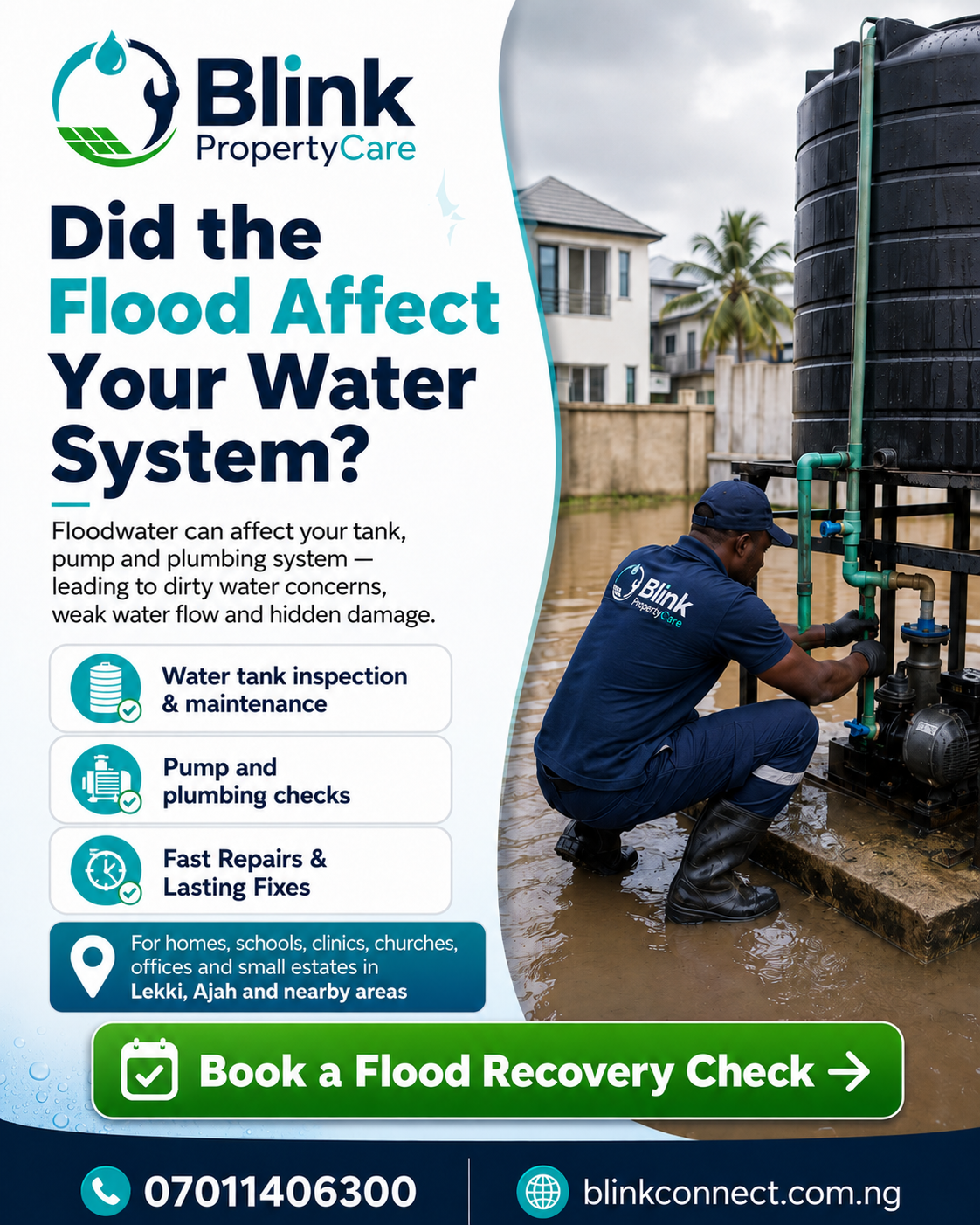
If floodwater reached your tank area, pump or pipework, do not restart everything and hope for the best. We inspect the accessible water system, document visible concerns, clean what is safely within scope and identify where a specialist is needed.
Never operate a switch, pump or electrical appliance while standing in water. If electrical equipment has been wet, have the supply and equipment assessed by a qualified electrical professional before our pump and plumbing checks begin.
What the Flood Recovery Check Covers
The visit focuses on the property systems Blink maintains. The exact scope depends on safe access and what the flood reached.
Safe Site Triage
We confirm what was affected, what is accessible and whether another professional must make the area safe first.
Tank Inspection
Visual checks of accessible tank covers, inlets, overflows and surrounding areas for debris, flood entry or visible damage.
Pump & Pressure Check
Once electrical safety is confirmed, we check visible pump, pressure and float-control concerns linked to the event.
Plumbing Check
Visible pipework, valves, taps and connections are checked for leaks, movement, blockage or flood-related damage.
Cleaning Within Scope
Tank or accessible component cleaning is handled where appropriate, safe and agreed in the quote.
Photo-Backed Findings
You receive documented findings, completed actions, unresolved risks and clear next steps or specialist escalation.
What to Do After Floodwater Reaches the System
- Keep people away from standing water near pumps, sockets, cables or electrical controls
- Do not restart a wet pump or electrical component
- Use an alternative safe water source if storage or supply contamination is possible
- Take photos only from a safe, dry position
- Tell us which areas flooded, how high the water reached and which systems stopped working
- Arrange qualified electrical, structural or sewage help first where those hazards are present
Blink does not provide emergency rescue, electrical certification, structural assessment, sewage remediation or laboratory water testing. We focus on accessible water tanks, pumps and plumbing, then escalate work outside that scope.
Flood safety references
- CDC floodwater safety guidance: floodwater may contain sewage, chemicals, debris and electrical hazards.
- U.S. EPA guidance on water systems after flooding: avoid flooded pumps, use alternative water when contamination is suspected, and arrange inspection and testing.
These sources provide general safety principles. Follow current Lagos emergency, utility and public-health instructions for the specific incident.
Flood Recovery Check FAQ
We assess accessible water tanks, pump and pressure equipment, and visible plumbing for flood-related contamination, debris or damage. We document findings, handle cleaning and minor maintenance within scope, and recommend specialist escalation where required.
No. Do not touch or energise flooded electrical equipment. The area and electrical supply must first be made safe by the appropriate qualified professional before pump checks can proceed.
No. Our visit is a property-maintenance inspection and cleaning service, not a laboratory water test or drinking-water safety certificate. Where contamination is suspected, use an alternative safe water source and arrange appropriate testing or treatment advice.
Those services are outside our direct scope. We identify visible concerns around the water-storage, pump and plumbing systems and recommend qualified electrical, structural, sewage or laboratory specialists when needed.
Helpful Guides & Pages
Book a Flood Recovery Check
Send your area, affected systems and safe-to-take photos on WhatsApp.
Book on WhatsApp